Pet odor control / Formulation ingredients

Pet Odor Control Ingredients for Cat Litter, Bedding & Environmental Formulations

OLFENTIS supplies liquid odor-control concentrates for manufacturers developing cat litter deodorizing systems, litter-box and waste-area products, pet bedding and textile care, environmental sprays and selected non-medicated grooming formats. Product selection depends on the target malodor, formulation system, exposure route and finished-formula validation.

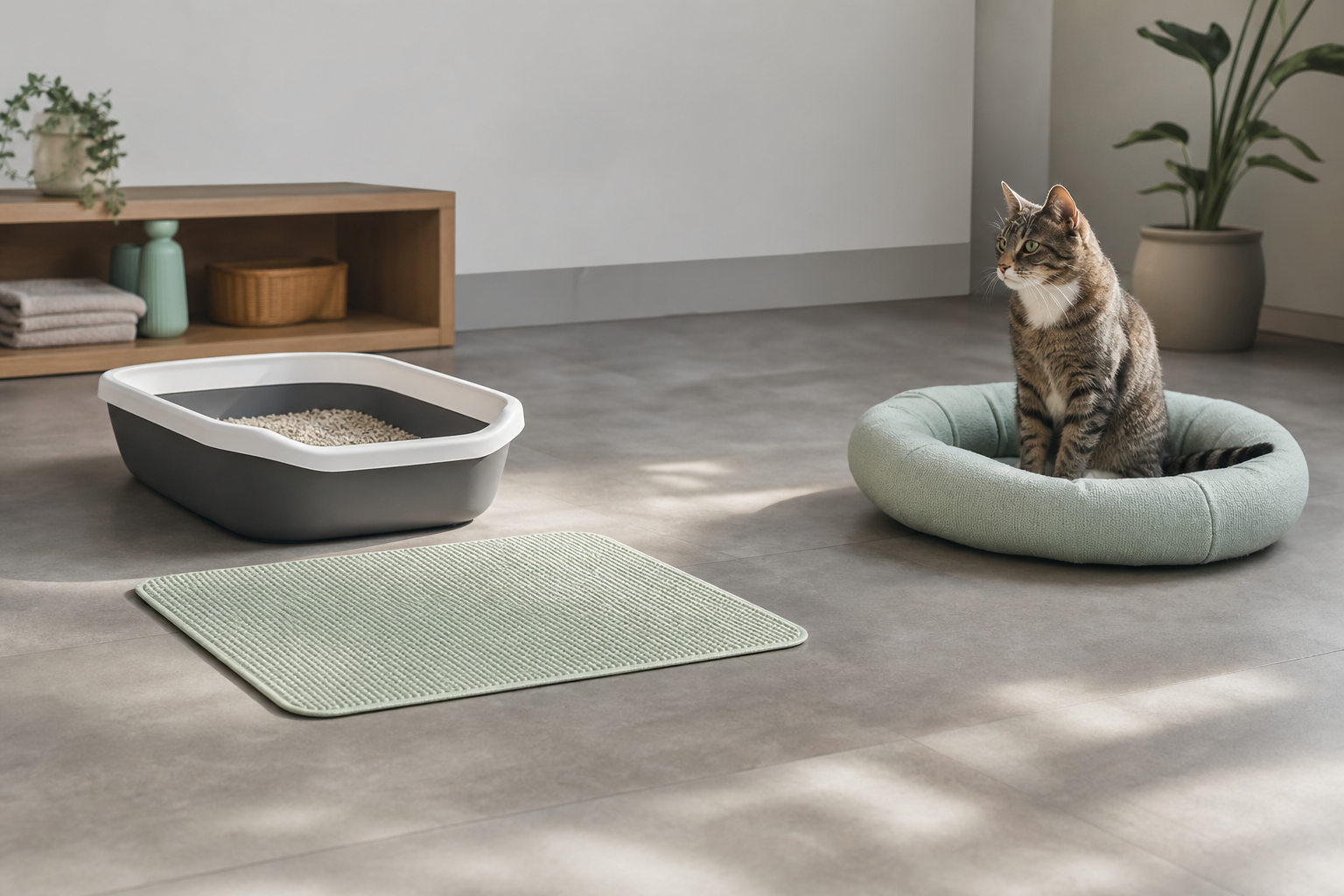
Pet-care formulation setting with cat litter, washable surfaces and pet bedding
APPLICATION / PETOLFENTIS
01Pet Odor Control by Finished-Product Format
02Define the Target Malodor Before Selecting an Ingredient
05How to Validate a Pet Odor Control Formulation
0101 / Application formats

Pet Odor Control by Finished-Product Format

01

Cat Litter & Litter-Box Odor Control

For liquid or solid finished-formulation projects where ammonia and sulfur-associated malodors are defined test targets. Evaluate carrier distribution, dust or residue, fragrance interaction and species exposure in the complete product.

02

Pet Bedding, Crates & Kennels

For washable textiles, bedding, crates, kennel areas and surrounding non-food-contact environments. Review substrate compatibility, staining, residue, inhalation and incidental contact.

03

Environmental Sprays & Surfaces

For room sprays, fabric-care products and hard-surface formulations used around pet environments. Odor control does not establish cleaning, antimicrobial or disinfectant performance.

04

Selected Grooming Formulation Studies

For project-gated, non-medicated rinse-off or leave-on concepts intended only to cleanse, refresh or beautify the coat. Species, dosage, exposure and finished-formula safety review are required.

02TARGET MALODOR

Define the Target Malodor Before Selecting an Ingredient

01

Ammonia-Associated Malodor

Relevant to litter and waste-area studies. Define the analyte concentration, application method, dosage, contact time and blank control before comparing formulations.

02

Sulfur-Associated Malodors

Hydrogen sulfide and methyl mercaptan may be used as defined laboratory targets where appropriate. Ingredient-level results must not be treated as finished-product performance.

03

Mixed Real-World Odor Profiles

Pet environments can contain multiple odor sources. Select representative test targets and evaluate the complete formula on the intended substrate and under the intended use conditions.

Learn how odor neutralization differs from fragrance masking
03INGREDIENT SELECTION

Product Routes to Evaluate

These ingredient routes are candidates for controlled pet-care formulation studies, not unconditional recommendations or ready-to-use pet products.

04FORMULATION BRIEF

Pet-Care Formulation Selection Checklist

A technical recommendation begins with the complete use brief; no universal formula, dosage or species-safety conclusion is assumed.

  1. 01

    Intended species and product use pattern

  2. 02

    Finished-product format: litter, solid system, spray, textile, surface or selected grooming format

  3. 03

    Water-based or solvent-based carrier system

  4. 04

    pH, surfactants, fragrance, clarity and addition-order requirements

  5. 05

    Defined target malodor or test analyte

  6. 06

    Proposed dosage, application method and contact time

  7. 07

    Intended substrate and blank-control design

  8. 08

    Stability, residue, inhalation, skin or paw contact and incidental licking assessment in the final formula

05 / Validation approach

How to Validate a Pet Odor Control Formulation

A meaningful finished-product evaluation documents the target, test conditions, control and complete exposure profile.

  1. 01

    Define the target analyte and test method.

  2. 02

    Establish a blank control and documented ingredient dosage.

  3. 03

    Match the intended substrate and application method.

  4. 04

    Set contact time and sensory or instrumental endpoint.

  5. 05

    Compare treated and untreated finished formulations.

  6. 06

    Review stability, residue and the complete species-specific exposure profile.

EVIDENCE / BOUNDARY

Available evidence direction

Ingredient-level laboratory summaries cover ammonia, hydrogen sulfide, methyl mercaptan and nonenal under defined conditions. They do not establish finished-product performance, antimicrobial action or animal safety.

BOUNDARY / REQUIRED

Required project boundary

Final-formulation assessment is required for the target species, dosage and exposure route, including inhalation, skin or paw contact and incidental licking. No antimicrobial, disinfectant, therapeutic, anti-allergy or universal pet-safety claim is made.

06 / TECHNICAL FAQ

Frequently Asked Questions

Concise answers for manufacturers evaluating pet odor-control ingredients and finished-formulation requirements.

01

What is a pet odor neutralizer ingredient?

A pet odor neutralizer ingredient is a formulation raw material evaluated for use in finished products such as litter systems, environmental sprays, textile care or selected grooming formats. It is not automatically a ready-to-use pet product, and performance and safety depend on the complete formula and use conditions.

02

Can cat litter odor control target ammonia?

Ammonia can be used as a defined target in cat litter and waste-area formulation studies. Meaningful testing documents the analyte concentration, ingredient dosage, application method, contact time, blank control and evaluation endpoint.

03

Is an odor-control ingredient the same as an antimicrobial or disinfectant?

No. Odor-control performance does not establish antimicrobial, antibacterial or disinfectant action and does not prove removal of a biological odor source.

04

Can OLFENTIS concentrates be applied directly around cats or dogs?

No direct-use or universal pet-safety claim is made. OLFENTIS products are professional formulation ingredients. The finished product must be assessed for the intended species, dosage, application method and exposure routes, including inhalation, skin or paw contact and incidental licking.

05

How should manufacturers validate a pet odor control formulation?

Define the target malodor and method, then document the finished-product format, substrate, dosage, application method, contact time and blank control. Confirm performance, stability, residue and species-specific exposure in the complete formula.

06

How is odor neutralization different from fragrance masking?

Fragrance masking changes the perceived odor profile, while odor neutralization is evaluated against a defined malodor target. The two strategies can interact, so fragrance and odor-control performance should be assessed in the complete formula.

PET / PROJECT BRIEF

Submit Your Pet-Care Format and Target Malodor

Share the intended species, litter or product format, carrier system, pH, fragrance, target malodor, proposed dosage, exposure route and destination market. OLFENTIS will review the most appropriate formulation and validation route.

Start a Pet-Care Technical Review